

Digital Governance & ICT
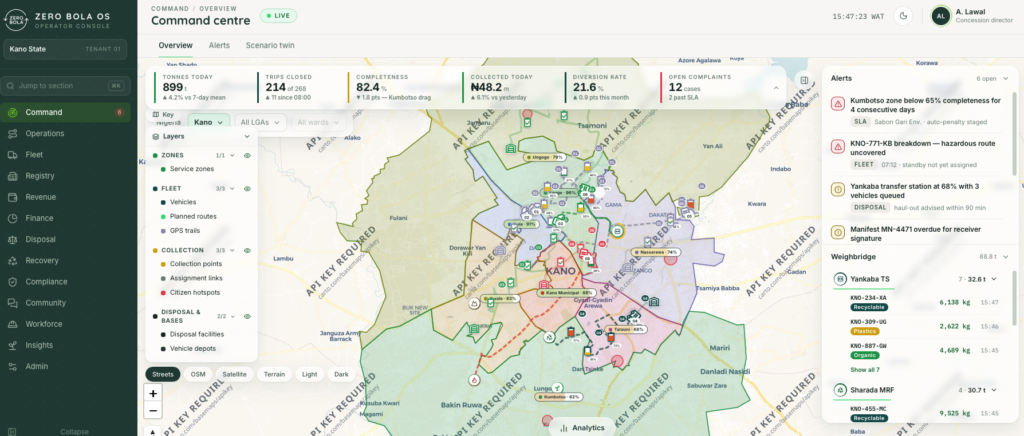
Ecosystem Strategy & Platform Architecture: Zero Bola OS Waste Management Framework
A strategic industrial framework and digital platform design for an end-to-end waste management and carbon credit ecosystem, structured to transform municipal solid waste into clean energy while driving sustainable revenue.
Project Background
Traditional municipal solid waste (MSW) management relies heavily on state subsidies and often struggles with accountability and scale. Building on the foundational success of the United Nations Development Programme (UNDP) City Winner award for Kano in 2022, there was a need to transition the Zero Bola initiative into a highly scalable, digitally-driven ecosystem. The goal was to establish a strategic partnership with the state government based on industrial policy—attracting foreign direct investment and generating clean energy without burdening the public treasury.
Our Role
Certis in collaboration with Zero Bola Ltd led the strategic structuring and digital architecture for the initiative. We designed Zero Bola OS as a multi-tenant digital platform to orchestrate a decentralized waste-to-energy model. Furthermore, we developed the strategic engagement framework to align the ecosystem with the state government's industrial and economic goals.
Key Objectives
- Design the digital architecture for Zero Bola OS, an end-to-end platform for waste tracking, processing management, and carbon credit monetization.
- Structure a strategic Memorandum of Understanding (MoU) framework focusing on revenue generation and foreign direct investment rather than traditional, subsidized waste collection.
- Develop a decentralized hub-and-spoke operational model to process municipal solid waste into bio-CNG for the mobility sector.
- Implement performance-based contracting mechanisms to ensure accountability and operational transparency across the ecosystem.
Our Approach
- Digital Platform Engineering: Formulated comprehensive software architecture, wireframes, and site maps for the multi-tenant Zero Bola OS to ensure real-time operational visibility.
- Strategic Positioning & Policy Alignment: Shifted the engagement paradigm from a municipal service burden to a lucrative industrial asset, aligning with state economic development priorities.
- Operational Structuring: Modeled a decentralized hub-and-spoke supply chain capable of scaling waste collection and processing efficiently across the metropolis.
- Sustainable Finance Integration: Embedded mechanisms for tracking and monetizing carbon credits directly within the platform to ensure long-term financial sustainability.
Key Outputs
- Zero Bola OS Architecture: Fully formulated wireframes, operational blueprints, and pitch deck proposals for the digital platform.
- Strategic MoU Framework: A documented partnership strategy designed to attract foreign direct investment and generate state revenue.
- Decentralized Operational Model: A scalable hub-and-spoke waste-to-energy supply chain designed to produce bio-CNG.
- Award-Winning Foundation: Leveraging the momentum of the 2022 UNDP City Winner recognition to secure stakeholder buy-in.
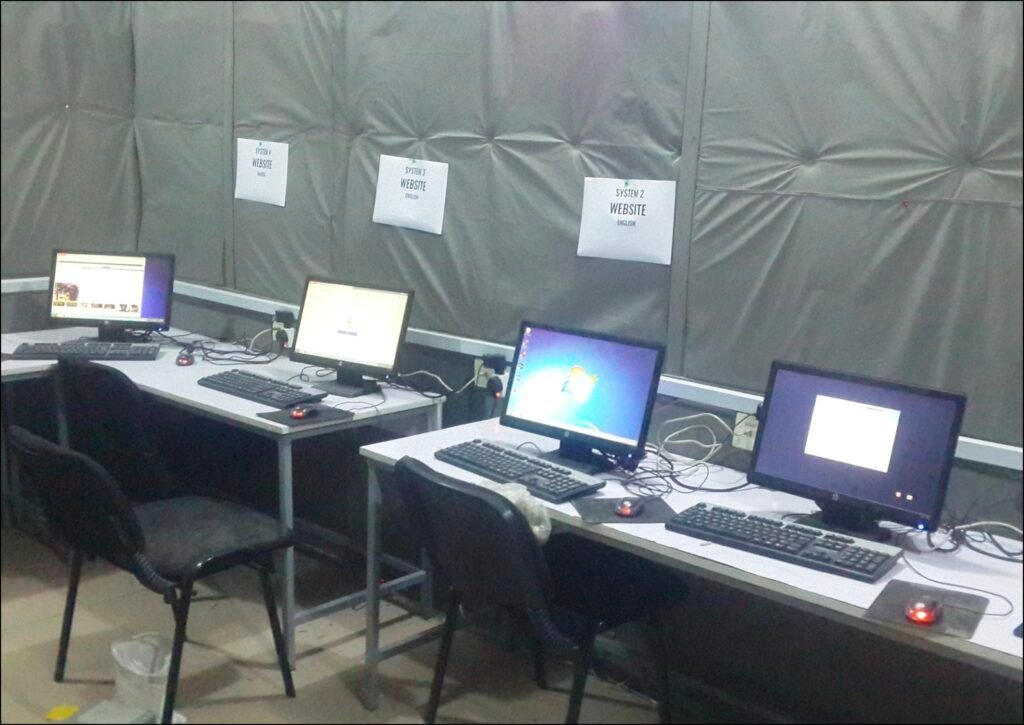
Digital Governance & E-Service Transformation: Kano State Web-Based PPP Partnership
A five-year Public-Private Partnership engagement focused on designing, deploying, and managing an advanced web-based information management system to enhance digital governance, promote tourism, and generate sustainable commercial revenue for the state.
Project Background
Prior to this engagement, the state's official digital presence faced persistent challenges, including unpaid hosting subscriptions, suspension of services, and a lack of technical maintenance. The state urgently required a reliable, dynamic portal that could serve a diverse audience of residents, businesses, and tourists, while projecting the state's image globally in an evolving Information and Communication Technology landscape.
Our Role
We were engaged under a Public-Private Partnership to finance the equipping and management of a new Digital Information Unit, while developing and managing the official state website and its integrated commercial revenue platforms.
Key Objectives
- Design and deploy a highly secure, tri-lingual (English, Hausa, Arabic) official government website
- Establish, equip, and furnish a dedicated Digital Information Unit within the Ministry of Information
- Provide continuous capacity building and technical training for government staff and local government information officers
- Implement a revenue generation platform through targeted digital advertising, sharing net revenues with the state on a 60:40 ratio
- Centralize digital portfolios for all state Ministries, Departments, and Agencies (MDAs) to reduce individual operational costs
Our Approach
- Infrastructure Setup: Designed and equipped a dedicated Digital Information Unit featuring a 3KVA solar-powered backup system, secure networking, and modern workstations to ensure uninterrupted operations during power outages.
- Secure Platform Engineering: Developed a dynamic portal (kanostate.gov.ng) with a dedicated IP address, SSL certification, and robust cybersecurity protocols.
- Capacity Building: Delivered hands-on training to government staff for managing platform operations, focusing on news uploads, project updates, executive profiles, and social media integrations.
- Commercial Strategy: Integrated a revenue-generating model for school, property, hotel, and event advertisements, creating a self-sustaining financial ecosystem.
Key Outputs
- Fully functional, secure website that attracted over 23,000 global visits within its first six months.
- Equipped and operational Digital Information Unit with renewable backup power infrastructure.
- Comprehensive digital portfolios established for state MDAs and executive profiles.
- Trained state personnel actively managing platform content and digital communications.
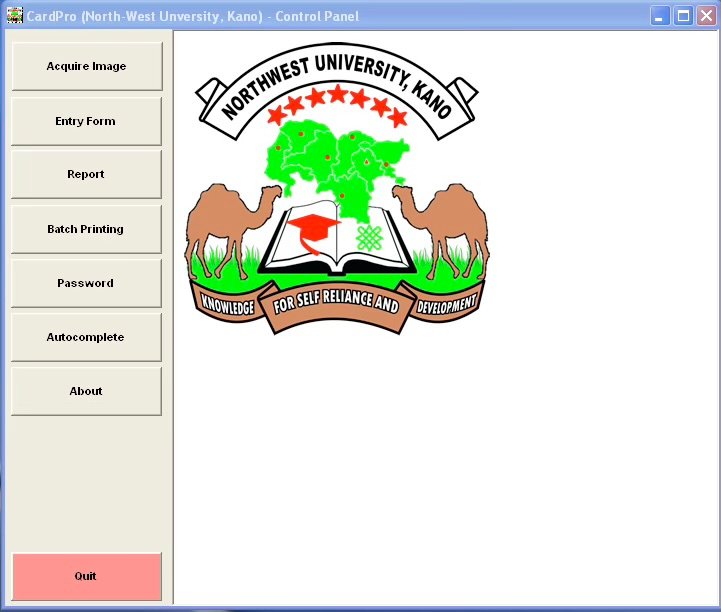
Identity Card Management Software Deployment: Northwest University Kano
An enterprise software supply and deployment engagement focused on customizing, testing, and operationalizing an Identity Card Management System for Northwest University, Kano (Yusuf Maitama Sule University).
Project Background
To support administrative efficiency, campus security, and streamlined student and staff identification, Northwest University Kano required a tailored digital identity card management solution. The university sought an end-to-end implementation including specialized software, custom interface design, regional testing, and operational staff training.
Our Role
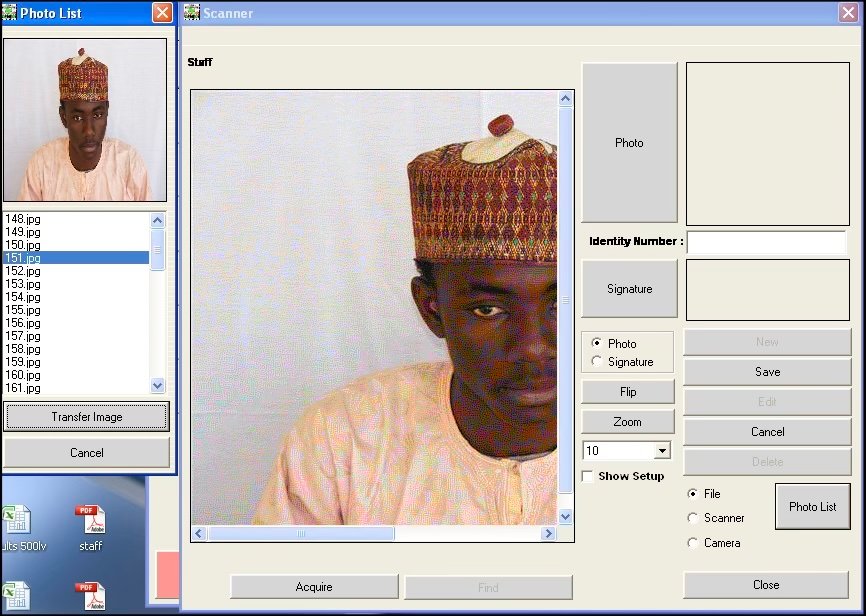
Certis was engaged by the University Management to supply Card Pro Software, redesign the graphical user interface to align with institutional branding, manage functional testing and deployment across operational zones, and deliver hands-on technical training to operational personnel.
Key Objectives
- Supply and configure specialized Card Pro identity card management software tailored to academic requirements.
- Redesign the Graphical User Interface (GUI) to align with institutional branding and aesthetic standards.
- Conduct rigorous functional testing and deployment across operational zones in Kano and Jigawa.
- Provide technical and operational training for personnel to ensure seamless day-to-day card production.
Our Approach
- Software Customization & GUI Redesign: Customized the user interface aesthetics to reflect Northwest University’s visual identity, enhancing usability for campus administrators.
- Functional Testing & Quality Assurance: Conducted end-to-end testing protocols to verify system stability, data security, and seamless printing capabilities.
- Regional Deployment: Handled the full installation and system setup across target operational centers in Kano and Jigawa zones.
- Capacity Building: Executed hands-on training for operating personnel to ensure institutional self-sufficiency and smooth long-term operation.
Key Outputs
- Deployed Card Pro Software: Fully installed and configured identity card management system tailored for university operations.
- Custom Graphical User Interface: Brand-aligned interface redesign improving administrative usability.
- Verified System Deployment: Functionally tested and operational deployment across Kano and Jigawa zones.
- Trained Operating Personnel: Skilled administrative staff capable of independently executing identity management tasks.
Efficient Payroll System Implementation: Kano University of Science and Technology, Wudil
An enterprise software deployment and support engagement designed to automate payroll processing, optimize financial governance, and deliver a reliable digital payroll solution for Kano University of Science and Technology, Wudil.
Project Background
Academic institutions require precise, reliable, and secure payroll management systems to ensure seamless administrative operations, accurate staff compensation, and transparent financial reporting. Kano University of Science and Technology, Wudil (KUST, Wudil) sought an efficient digital payroll platform to overcome recurring payroll processing challenges and establish a sustainable, long-term solution for its workforce.
Our Role
Certis was engaged by the University Bursary to implement and operationalize a customized, automated payroll system. Certis provided system setup, workflow customization, and ongoing technical maintenance under an annual licensing and technical support structure.
Key Objectives
- Deploy an efficient, automated payroll management system to solve operational and administrative challenges.
- Modernize financial record-keeping and streamline monthly salary disbursement workflows for university staff.
- Configure payroll logic, allowances, and deduction parameters aligned with institutional governance standards.
- Provide continuous technical support, system maintenance, and annual platform licensing.
Our Approach
- System Architecture & Configuration: Tailored the payroll platform to accommodate university-specific compensation structures, staff tiers, and administrative guidelines.
- Workflow Automation: Re-engineered payroll workflows to eliminate manual errors, simplify audit trails, and accelerate monthly reconciliation timelines.
- Validation & Deployment: Executed comprehensive system testing and data validation to guarantee operational stability prior to full operational handover.
- Ongoing Support & Maintenance: Established a structured annual licensing and technical advisory framework to ensure continuous platform uptime and updates.
Key Outputs
- Automated Payroll Platform: Deployed a secure, centralized payroll software providing lasting operational efficiency.
- Optimized Financial Governance: Streamlined disbursement, reporting, and auditing workflows for the Office of the Bursar.
- Enhanced Operational Accuracy: Eliminated processing bottlenecks and manual calculation errors across institutional payroll runs.
- Sustained Technical Maintenance: Continuous licensing and system maintenance framework ensuring long-term operational continuity.